
CN
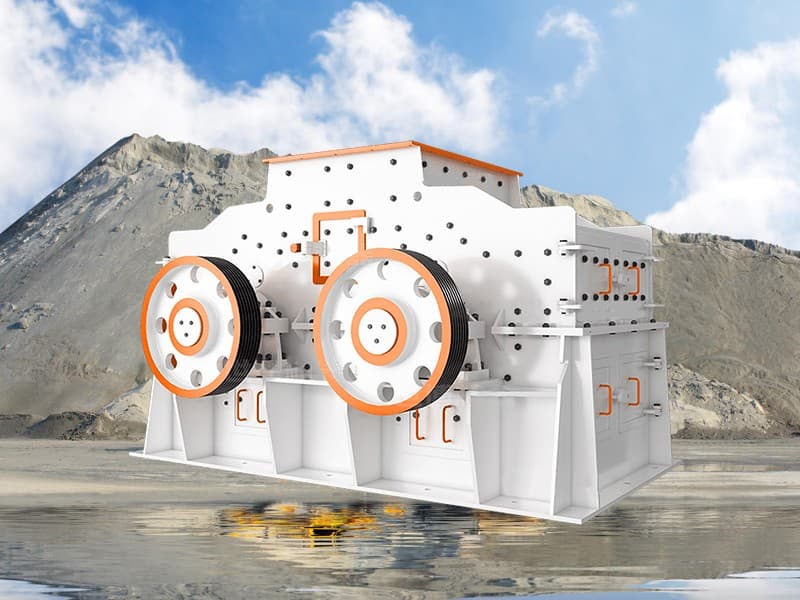
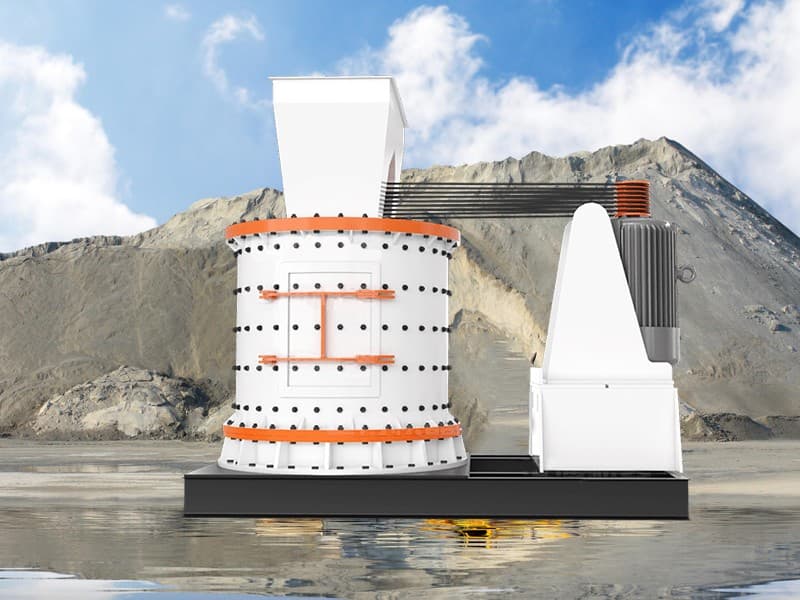
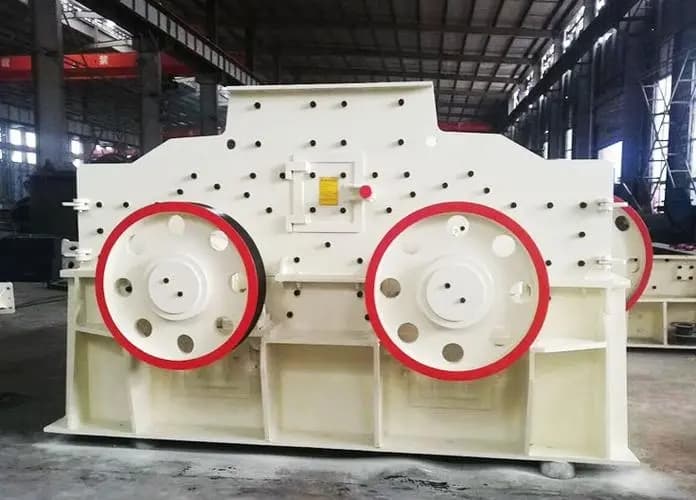
The double rotor sand making machine is referred to as the double rotor sand making machine, which is suitable for the fine crushing operation of limestone, bluestone and other raw materials, and the gap between the grate and the hammer can be flexibly adjusted
Production capacity:
20-280T/HFeed size:
≤150mmApplicable materials:
limestone, bluestone and other low hardness materialsThe double rotor sand making machine is a special fine crusher for aggregate, which can be used to make sand and fine crushing, and is used to break general brittle materials, such as limestone, marl, argillaceous siltstone, shale and so on. During operation, two rotors rotating opposite each other and an anvil between the two rotors are equipped, as well as a dividing counterattack device arranged directly above the two rotors. In addition to having the main characteristics of other single rotor crusher, because the crushing mainly occurs between the two rotors, the chance of sticky wet material sticking to the fixed cavity wall is greatly reduced, so the adaptability of sticky wet material is strong, the whole machine to consider the shaping effect, do a lot of special tooth plate shape design, can make the output material particle shape meet the requirements.
Shaping effect: the broken sand basically has no edges and corners, and there are more cubes, which is also thanks to some special designs of the machine: cleavage crushing principle, stone beating principle, in each flow process of the material being broken, the counterattack plate, the anvil, and the grate plate are provided with grooves to eliminate the edges and corners.
Horizontal rotor arrangement: Overcome the natural obstacles of the limited size of the vertical crusher rotor, and can design more productive equipment.
High-speed opposite operation: the materials collide with each other, make full use of the kinetic energy input by the motor, so that the energy efficiency ratio is more than 50% higher than the traditional sand making machine, and reduce the metal wear by more than 30%.
Core crushing parts: The hammer is made of large gold teeth material or ceramic composite material, which greatly reduces the metal consumption, and the service life of each set of hammer is up to more than 1.2 million tons (the life of a single hammer is more than 7,000 tons).
It can adapt to a wide range of feeding particle size: in the sand making process, there is no need for three-stage crushing, generally after a primary crushing before the machine, the sand can be directly made into the machine, and the sand yield can reach 50%.
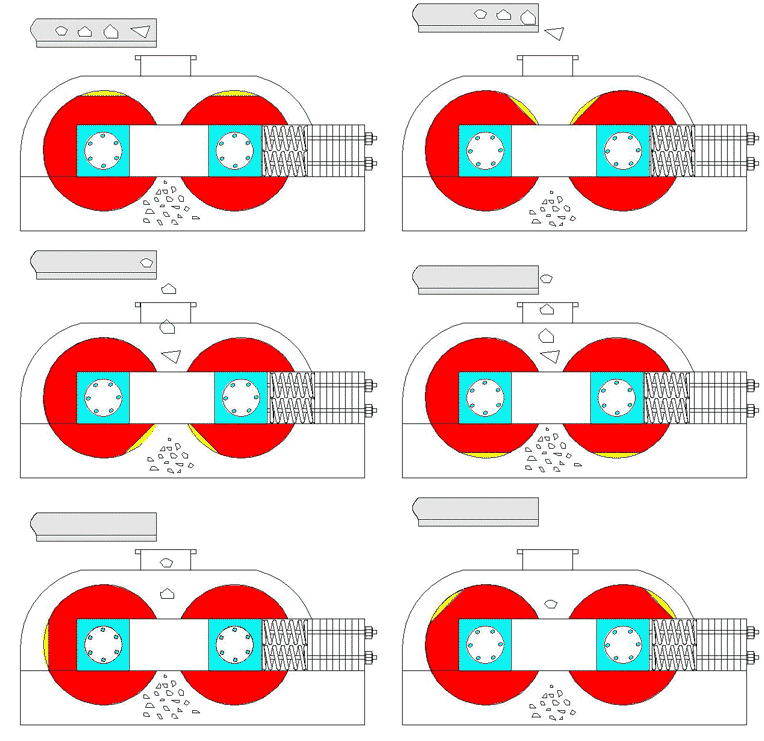
The material enters the sand making machine, passes through the dividing counter device, evenly distributed to the top of the two rotors, the two rotors rotate relative to each other, gain kinetic energy under the blow of the hammer head and fly to the other rotor, so the material on the two rotors collide in the direction of the rotation tangent of the rotor, and at the same time crash into the dividing counter device directly above, completing the first "stone beating stone" crushing and corrugated groove shaping. By the kinetic energy of the rotor, the material continues to rush downward towards the anvil to achieve a second crushing, and the stepped surface of the anvil is shaped twice. Through the average shunt of the hammer anvil into the rotor and the discharge grate composed of two fine fragmentation area, under the high pressure formed by the high-speed impact of the hammer head, the material is broken and discharged the grate. The material particles that do not meet the size continue to be brought between the two rotors to continue to break.
| Model | Feed port(mm) | Power(kw) | Feed size(mm) | Capacity(t/h) | Appearance(mm) |
| SJ0808 | 754*218 | 2×(55-75) | ≤30 | 20-50 | 5500×1843×1600 |
| SJ1213 | 1290*240 | 2×160 | ≤30 | 80-120 | 3400×2587×2050 |
| SJ1238 | 1810*290 | 4×132 | ≤30 | 180-250 | 3600×3312×1900 |
| SJ1416 | 1630*260 | 4×160 | ≤30 | 210-280 | 4712×3170×2300 |